 Why Las Vegas
 Marriage Services
 Business Services
 Articles and Videos
 Celebrity Timeline
 Records Requests
 About Us
 Contact Us
 Follow Us
Weddings have a funny way of bringing out emotions you didn’t know you were carrying. One minute you’re choosing flowers, and the next you’re wondering why your father’s opinion about the guest list has you feeling like a disappointed 12-year-old again.
Welcome to the father wound. Weddings represent a transition into partnership and independence, stirring up surprisingly old emotional patterns.
What Is the Father Wound?
The father wound describes emotional pain or unresolved patterns connected to our fathers or father figures. It’s not a clinical diagnosis, nor does it necessarily mean your father was a bad parent.
Maybe Dad was emotionally unavailable, critical, controlling or unpredictable. Perhaps he provided financially but struggled to express affection, or his high expectations left you questioning your worth. Sometimes the wound isn’t about what happened, but what you learned you needed to do to feel loved, safe or accepted.
Why Weddings Trigger the Father Wound
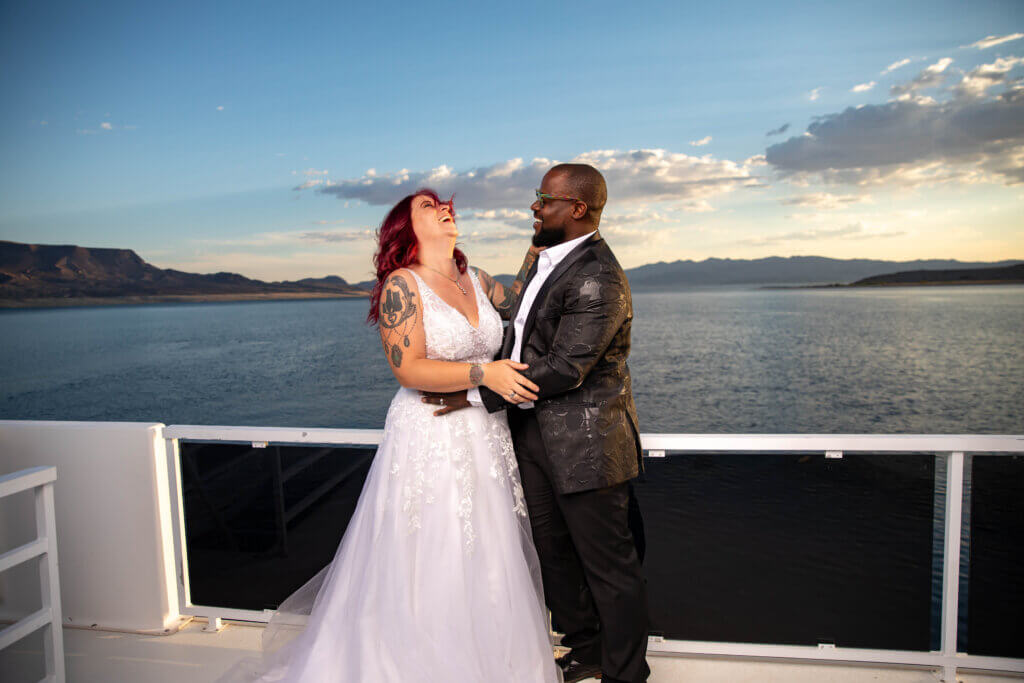
Weddings symbolize family, identity and independence. For some fathers, this transition brings complicated feelings about changing family roles. For their adult children, it can reactivate the need for approval or fear of disappointment.
Suddenly, a disagreement about the budget isn’t about money. It’s about whether you feel trusted to make adult decisions. A critical comment about your partner might resurrect years of feeling inadequate. And a father insisting on the final say can pull you right back into the role of the obedient child.
You can be a confident adult in every other area of life and still unravel after one spirited wedding conversation with Dad.
Common Ways the Father Wound Shows Up
The father wound often appears in subtle reactions that leave you wondering why something so small bothered you. It cal look like:
- Approval seeking: Making wedding decisions to appease your father rather than yourselves.
- Criticism disguised as guidance: Have you heard, “Are you sure that’s what you want to spend?” Suddenly, you’re defending decisions you felt confident about yesterday.
- Financial control: A generous contribution becomes an expectation of decision-making authority.
- Emotional distance: He’s present for every photograph, but you’re still longing for genuine affection or pride.
- Emotional unpredictability: You’re managing his moods and reactions to prevent conflict or embarrassment.
How to Survive Without Turning Your Wedding Into Family Therapy
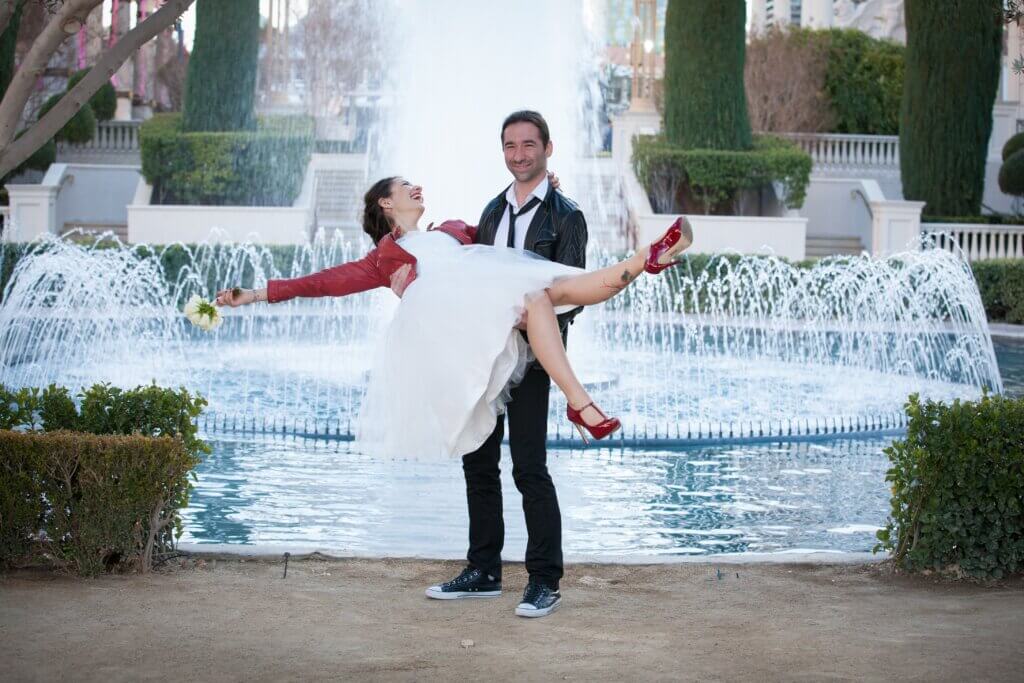
Recognizing an old wound doesn’t mean you need to immediately confront it. Wedding planning might be the least convenient time to unpack decades of complicated family dynamics. Instead, focus on protecting your emotional well-being while making space for deeper healing later.
Recognize When You’re Reacting as the Child, Not the Adult
When your father’s comments send you spiraling, ask yourself: Am I upset about what’s happening now, or is this bringing up something I’ve felt for years?
That awareness can help you respond intentionally instead of falling into familiar patterns.
Stop Auditioning for Approval
Your wedding isn’t a final opportunity to prove you’ve become someone your father can be proud of. If you’re changing decisions to avoid criticism or earn praise, remember that his approval doesn’t determine your worth. You can love and respect him without needing validation for every choice.
Set Boundaries Without Making Him the Villain
Boundaries don’t require anger, ultimatums or a dramatic family showdown. Sometimes they’re as simple as, “I appreciate your perspective, but we’ve already made our decision.” If financial contributions come with expectations, clarify them early. Boundaries aren’t about controlling others; they’re about taking responsibility for yourself.
Coming Out Stronger
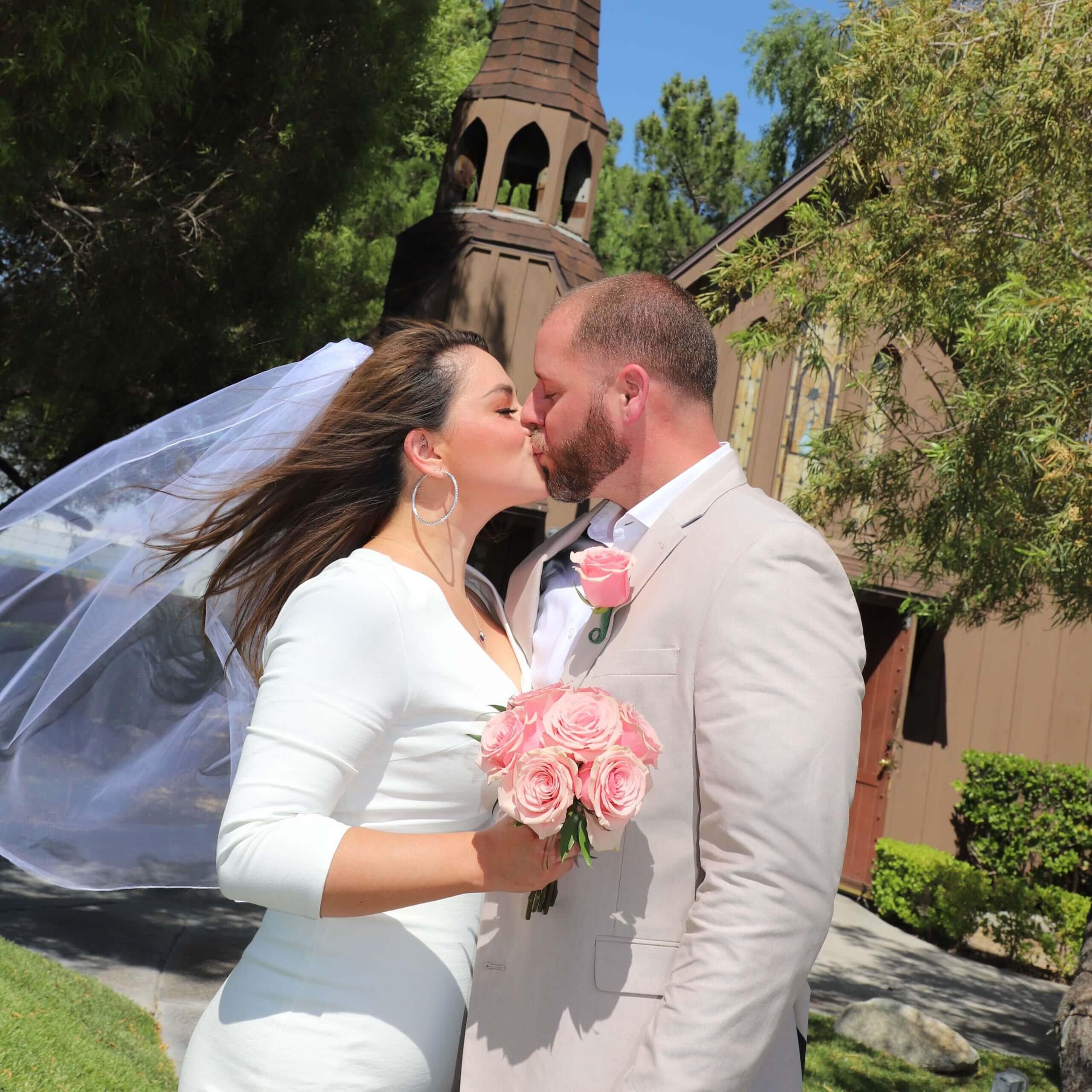
As we explored in our Mother Wound article, weddings can expose childhood patterns we’ve unknowingly carried into adulthood.
Maybe you learned to keep the peace, seek approval, avoid disappointment or suppress your emotions. Those patterns can follow you into marriage unless you recognize them. And recognizing those patterns gives you the chance to consider differently.
You don’t need to repair everything before saying “I do.” Take note of what comes up, give yourself permission to feel it and consider exploring those relationships more deeply after the honeymoon.
But, the uncomfortable awareness that oftentimes arises during wedding planning also creates opportunity. Your wedding may reveal where you struggle to trust yourself, establish boundaries or separate your father’s expectations from your own identity.
Ultimately, your wedding isn’t about proving you’ve become the person your father — or anyone else — hoped you’d be. It’s about celebrating the person you’ve become and the life you’re choosing to build.
The MIND Performance Therapist, Lindsey Paoli, LMFT, LCPC teaches the importance of self awareness and interpersonal relationships as a key to our greatest success and happiness. She is a dual licensed therapist in the state of Nevada, a corporate trainer and consultant, national expert news contributor and co-author of the bestselling book Living a Legacy. She is happily married (after a Vegas wedding!) with two young children and recently relocated from the Vegas Valley to sunny South Florida.


