Why Las Vegas
  Marriage Services
  Business Services
  Articles and Videos
  Celebrity Timeline
  Records Requests
  About Us
  Contact Us
  Follow Us
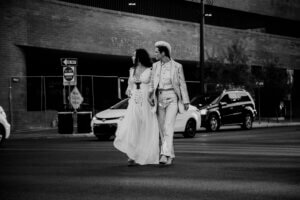
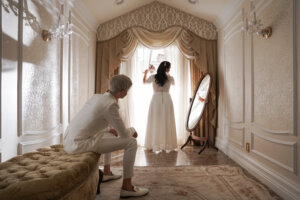
 There’s something noticeably different about a second wedding — not the dress, the guest list or the venue, but the energy.
As a couples therapist, I’ve worked with many people planning weddings—both first and second—and the emotional tone is almost always different the second time around. First weddings tend to be driven by expectation: family, culture and even social media expectations.
Second weddings, on the other hand, tend to be quieter. More intentional. In many ways, more honest.
The Fantasy Is Gone — And That’s Not a Bad Thing
Many first weddings are wrapped in a certain amount of fantasy.
We’re not just planning a party — we’re stepping into a life milestone that society has built up for decades. There’s pressure for everything to feel perfect, but oftentimes focused on just that one day. We stress about what our grandchildren will look back and see as the gown we chose, which of our acquaintances we can impress with an invite, and how many views we can get with our cutesy wedding hashtag.
But second weddings usually come with a different mindset. At least one person in that couple has already experienced what marriage looks like beyond the wedding day. They’ve seen the reality of long-term partnership: the compromises, the challenges and the emotional work. And they’ve seen that, regardless of the amount of thought put into the one day, sometimes marriages just don’t work out.
As a result, the focus tends to shift. Instead of trying to create the perfect wedding day, couples planning a second marriage often focus on creating something meaningful.
Less performance. More authenticity.
You Know What Actually Matters
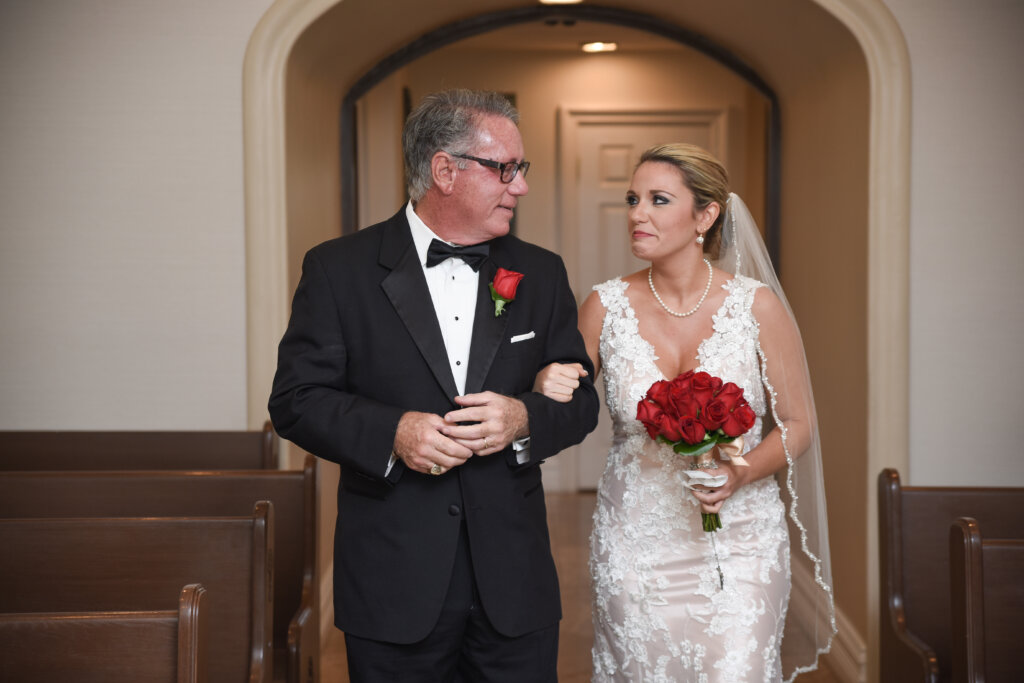
One of the most refreshing things about second weddings is how quickly couples let go of the details that don’t really matter. The seating chart drama? Often minimized. The pressure to invite everyone you’ve ever known? Usually gone. The need to follow every traditional rule? Not nearly as important.
Many couples planning a second wedding feel far more comfortable asking themselves a simple question: What do we actually want this day to feel like?
Sometimes that means a smaller guest list. Sometimes it means skipping traditions that never felt meaningful in the first place. And sometimes it means creating entirely new traditions that better reflect the life the couple is building together now.
The result is often a wedding that feels more relaxed, more personal and more aligned with the couple themselves.
Blended Families Add a New Layer
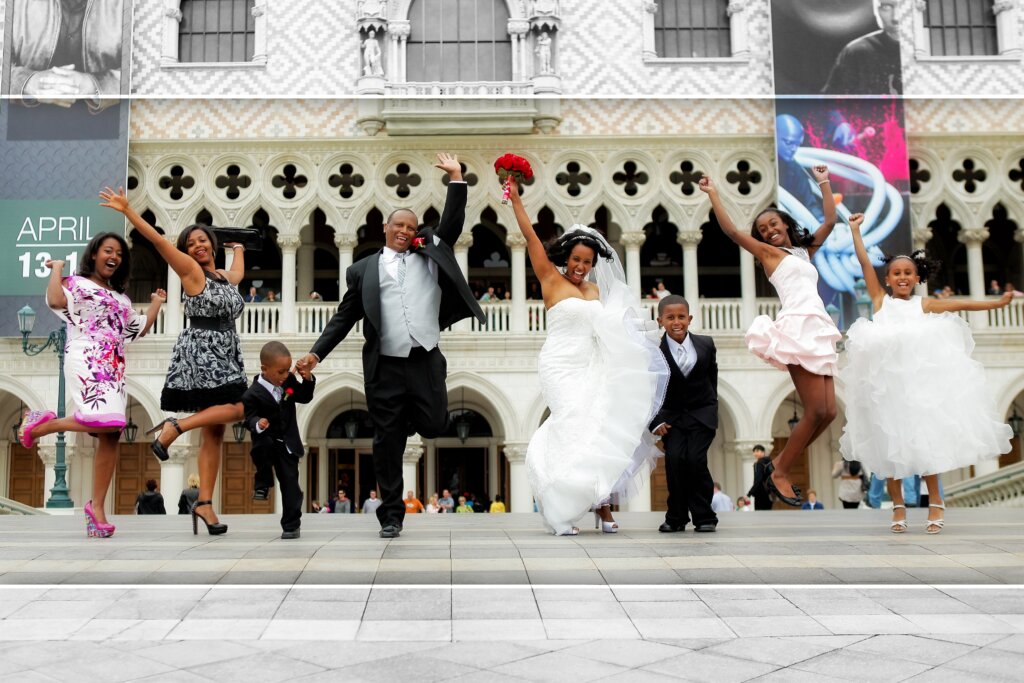
Second weddings often involve blended families, which adds both complexity and depth to the celebration.
Children may be involved in the ceremony. Step-parents may be navigating new roles. There may be relationships that require sensitivity and care.
But while this dynamic can create logistical considerations, it also brings something incredibly meaningful that many first time wedding planners could stand to notice too: the recognition that marriage is not just about two individuals.
It’s about building a new family system.
Guests See It Differently Too
Interestingly, the guests attending second weddings often approach the celebration with a different mindset as well.
At first weddings, guests may be focused on the spectacle: the details, the aesthetics and the traditions. But at second weddings, the energy in the room often feels more grounded. People understand that the couple has lived life a bit more. They’ve experienced both love and loss. They’ve grown.
And because of that, the celebration tends to feel less like a performance and more like a genuine moment of support. Guests aren’t just celebrating a wedding — they’re celebrating their friends’ resilience and growth. They’re celebrating the courage to choose love again.
That kind of celebration makes getting back out on the dance floor and doing the sprinkler for the sake of irony seem a little less appropriate.
You’re Choosing Marriage With Eyes Wide Open
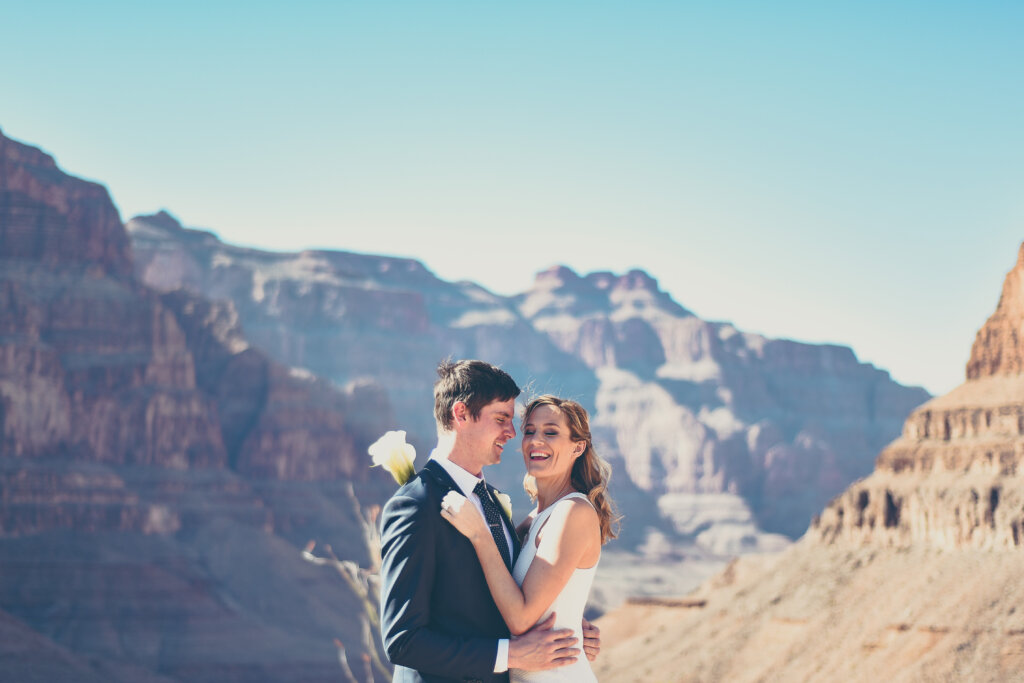
Perhaps the most profound difference between first and second weddings is this: second marriages are often entered into with far greater self-awareness.
People understand their own needs better. They understand their partner more realistically. And they’re often more willing to have honest conversations about expectations, communication, and long-term compatibility.
In many ways, second weddings represent a different kind of optimism. Not the naive belief that love should be effortless and fun; the grounded belief that love is worth choosing anyway. Not the naive belief that love should be effortless and fun; the grounded belief that love is worth choosing anyway.
Second Weddings Often Feel More Joyful
Ironically, once the pressure and fantasy are removed, second weddings often feel lighter. There’s less stress about appearances. Less pressure to prove something to others. Less focus on the performance of perfection.
Instead, couples tend to focus on connection. The laughter. The people in the room who truly matter. The feeling of starting a new chapter with intention.
And while first weddings may be filled with excitement and anticipation, second weddings often carry something deeper: gratitude.
Ironically, there’s often a lot of shame about having a second wedding. But from a couple’s therapist perspective (and a bride in two weddings myself), I’d argue that first-time wedding planners could learn a lot from those who do it the second time around.
The MIND Performance Therapist, Lindsey Paoli, LMFT, LCPC, teaches the importance of self-awareness and interpersonal relationships as a key to our greatest success and happiness. She is a dual licensed therapist in the state of Nevada, a corporate trainer and consultant, national expert news contributor and co-author of the bestselling book Living a Legacy. She is happily married (after a Vegas wedding!) with two young children and recently relocated from the Vegas Valley to sunny South Florida.